
A family garden is a plot of land, most often located in urban or suburban areas, made available to an individual for growing fruits, vegetables, and flowers intended for their own consumption. Reselling the produce is prohibited by law. To obtain such a plot, the process rarely goes through the town hall alone: in most cases, it is a 1901 law association that manages the allocations, contributions, and internal regulations of the site.
Before filling out any forms, the first step is to precisely identify who manages the plots in your municipality. This point, often underestimated, conditions the rest of the procedure.
You may also like : Essential Steps to Become a Real Estate Agent in Senegal in 2024
Identify the managing association in your municipality
Confusion is common: many applicants contact their town hall directly, while it is often just a referral point. Family garden plots generally belong to the community, but daily management is delegated to a local association. It is this association that maintains the waiting list, reviews applications, and allocates the available plots.
To find the right contact, start with the green spaces or environmental services of your town hall. Some municipalities publish the contact details of the managing associations on their website. Others direct applicants by phone or at the reception desk.
Related reading : How to Choose the Best Brush Cutter for Efficiently Maintaining Your Garden
If your city does not have registered family gardens, it is also possible to request a family garden from the association by contacting national or regional federations of family gardens, which maintain directories of sites by department.
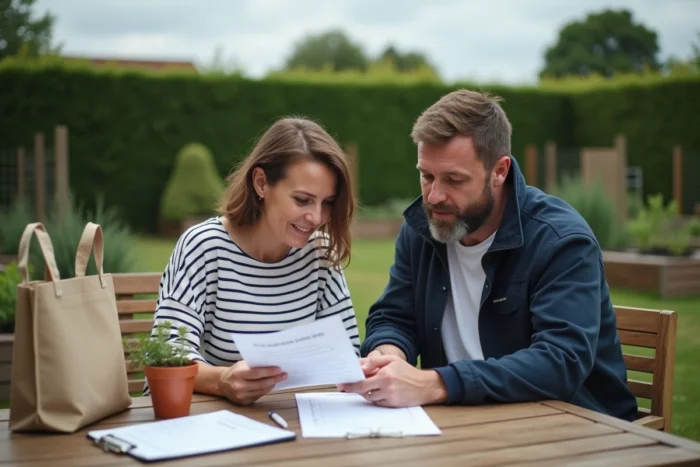
Application file: documents and allocation criteria
Once the association is identified, the application takes a fairly standardized form, but each organization sets its own requirements. Some points are consistently present.
General eligibility conditions
Most associations apply three basic criteria:
- Be of legal age and reside in the municipality (or intermunicipality) where the family garden site is located. A recent proof of residence is required.
- Not have an exploitable private plot (house with garden, agricultural or recreational land). This criterion aims to reserve plots for residents without access to land.
- Only one family garden per household, meaning per group of people residing at the same address.
Some associations add conditions related to income or family composition, especially when demand far exceeds supply.
Documents to provide
The file generally includes an application form specific to the association, proof of identity, and proof of residence. Some organizations also request a cover letter describing your gardening project. Check the exact documents required before submitting your file, as an incomplete file can delay your registration on the waiting list.
Waiting list and actual time frame for obtaining a plot
Submitting the file does not guarantee a quick allocation of a plot. In most medium and large cities, waiting lists stretch over several years. The order of registration remains the main criterion for progression, although some associations apply priorities (large families, people in precarious situations).
During this waiting period, remain reachable. Associations release plots throughout the year (due to relocation, non-compliance with regulations, abandonment). An unreachable candidate at the time of the offer may lose their turn.
Two useful reflexes during the waiting period:
- Confirm your application each year if the association requests it, under penalty of automatic removal from the list.
- Participate in events organized by the association (open house days, collective workdays). This shows your involvement and familiarizes you with the site’s operations.
- Explore family garden sites in neighboring municipalities, where demand may be lower.

Internal regulations and annual contribution of the family garden
The allocation of a plot is accompanied by the signing of internal regulations and the payment of an annual contribution. This amount, set by the association, generally covers access to water, maintenance of common areas, and site insurance.
The internal regulations govern the practices allowed on the plot. The most common points concern the prohibition of synthetic plant protection products, the obligation to regularly maintain the plot (prolonged neglect may lead to termination), and rules of good neighborliness (height of plantings, noise, presence of animals).
Failure to comply with the regulations may result in the permanent loss of the plot. Associations generally proceed with a written warning before termination, but the timelines vary from one organization to another.
Alternatives when the waiting list is too long
For candidates facing several years of waiting, some municipalities offer complementary measures. Greening permits, which have been on the rise since the early 2020s, allow for the cultivation of public spaces (tree bases, wastelands, small squares) after submitting a simplified application to the town hall. The review period is generally a few months.
Shared gardens are another option. Managed collectively by resident associations, they operate on a different model than family gardens: the plot is not individual, and cultivation decisions are made as a group. Registration is done directly with the association that runs the garden.
Requesting a family garden remains a process of patience as well as method. The starting point, identifying the right association and compiling a complete file from the first submission, saves real time in a procedure where every month of waiting counts.